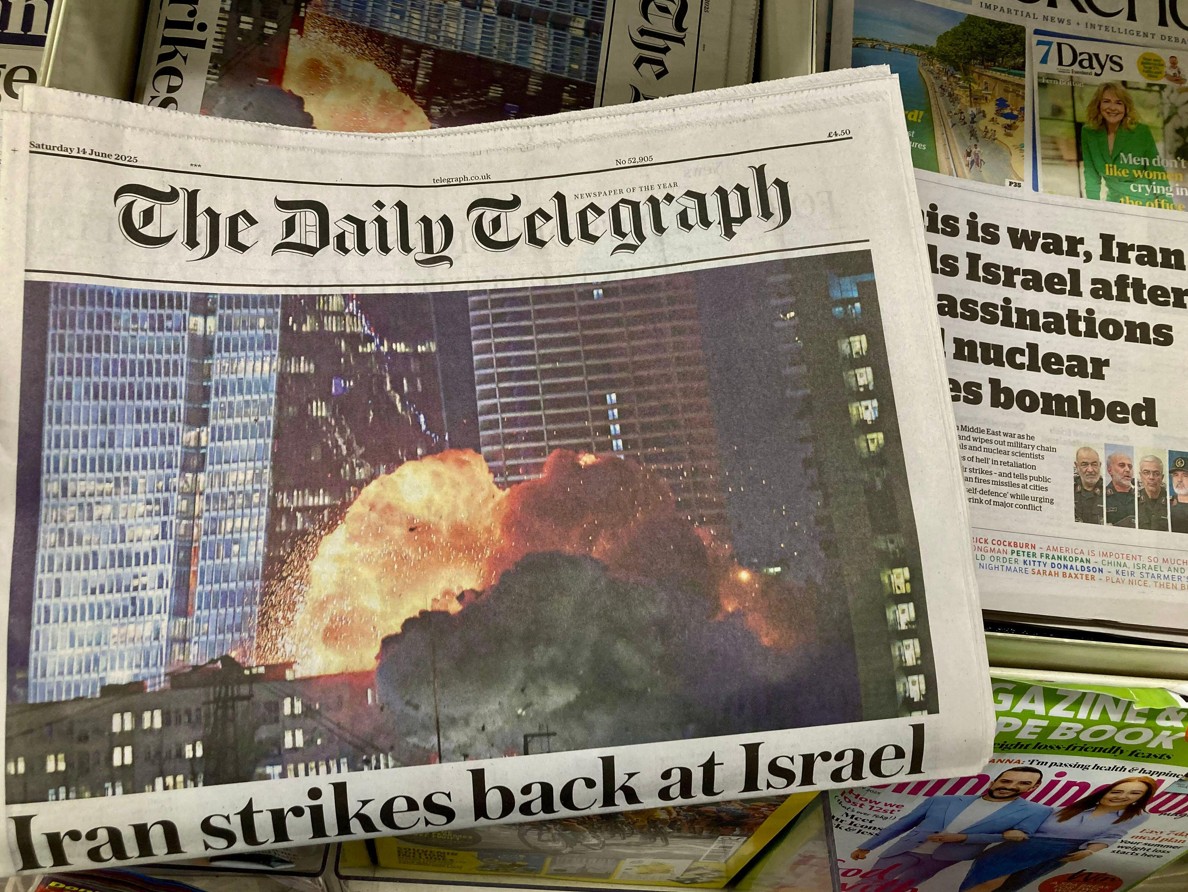
The escalating military confrontation involving Israel, the United States, and Iran has sent shockwaves across the Middle East. Barrages of missiles, coordinated air strikes, and retaliatory attacks across multiple countries are reshaping the region’s security landscape in real time.
But beyond the immediate devastation of explosions and collapsing structures lies a slower, more insidious threat—one that will not make headlines in the same dramatic way.
The air itself is becoming toxic.
The Hidden Aftermath of Missile Strikes
When missiles strike urban centers, industrial zones, oil refineries, factories, and storage facilities, the visible destruction is only the beginning. Each impact can release:
- Asbestos fibers from older buildings and insulation materials
- Heavy metals from structural components
- Industrial chemicals and solvents
- Petrochemical fumes from oil refineries and fuel depots
- Combustion byproducts and particulate matter (PM2.5 and PM10)
If nuclear facilities, research laboratories, or energy infrastructure are hit, the environmental consequences could escalate dramatically. Even without a nuclear detonation, structural damage to such sites can release hazardous materials into the surrounding atmosphere.
These microscopic particles do not disappear when the fires go out.
They linger in the air.
They settle into dust.
They enter lungs.
More Deaths From Air Than From Explosions?
History has shown that post-conflict mortality often extends far beyond direct casualties. Inhalation of asbestos fibers alone is linked to:
- Mesothelioma
- Lung cancer
- Asbestosis
- Chronic obstructive pulmonary disease (COPD)
Industrial toxins and fine particulate matter increase the risk of:
- Cardiovascular disease
- Respiratory failure
- Long-term neurological damage
- Cancer
In many conflict zones, the long-term health toll can rival—or exceed—the immediate loss of life from the strikes themselves.
The danger is not just the blast wave.
The danger is what we breathe afterward.
Shelter Is Not Enough
When sirens sound, people look for:
- Basements
- Underground parking structures
- Reinforced rooms
- Makeshift bunkers
Physical protection from shrapnel and shockwaves is essential. But concrete walls alone do not filter air.
Most civilians do not have access to military-grade fallout shelters equipped with advanced CBRN (Chemical, Biological, Radiological, Nuclear) filtration systems. Yet airborne contamination does not distinguish between a fortified bunker and a residential basement.
If contaminated air enters your shelter, the protection becomes incomplete.
Clean Air Is Survival
In modern warfare, air quality is a critical survival factor.
A high-quality industrial air filtration system can:
- Remove fine particulate matter (PM2.5 and smaller)
- Capture asbestos fibers
- Reduce industrial toxins and chemical residues
- Minimize smoke inhalation risks
- Create positive air pressure environments to prevent contaminated air infiltration
Proper filtration does not just increase short-term survival during active strikes. It significantly reduces the risk of developing chronic or terminal diseases months or years later.
When infrastructure burns, air filtration becomes a medical safeguard.
Think Shelter. Think Air. Think Castellex.
Preparedness today means understanding that threats are no longer only kinetic—they are environmental.
You may not be able to build a hardened military bunker.
But you can control the air you breathe.
Castellex industrial air filtration systems are designed to:
- Operate in extreme environments
- Deliver high-efficiency particulate and chemical filtration
- Provide reliable performance when infrastructure is compromised
- Protect families, employees, and critical operations
In times of conflict, survival is not only about enduring the strike.
It is about surviving the aftermath.
Think shelter.
Think air.
Think Castellex.


